

-
 Martin AndrleAntonín Dvořák’s considerable output displays some of the most wonderful melodies and rhythms imaginable. This program showcases three inspiring Dvořák works including his Symphony No. 8, one of host Frank Byrne's most favorite symphonies.
-
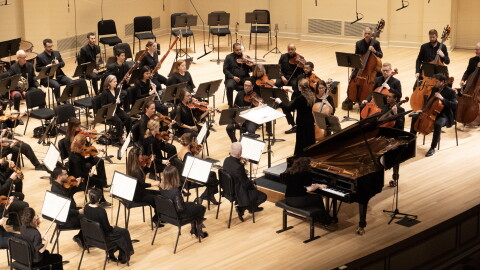 SLSOConductor Kristiina Poska makes her SLSO debut in a concert that celebrates European folk music, including musical shapeshifting in a new composition by fellow Estonian, Ülo Krigul. Rising-star pianist Marie-Ange Nguci shines in Mozart’s Piano Concerto No. 21, and Robert Schumann’s emphasizes the vibrant culture along the Rhine River in his Third Symphony.


-
 Do you believe in time travel? Thanks to the miracle of recorded sound, we can hear ten of the greatest violinists of the early to mid-20th century with recordings from as early as 1903. We’ll get a glimpse into performance traditions of the 19th century and know how Joachim, Ysaye, Sarasate, Kreisler and others actually sounded.
-
 Gustav Holst’s “The Planets” is one of the most famous works in the orchestral repertoire. Its inspired melodies and marvelous scoring were innovative when composed, and clearly a labor of love. We’ll hear it in a classic 1970 recording by the Boston Symphony that has been restored and remastered with amazing results.
-
 Dmitri Shostakovich composed powerful music in many genres. We’ll hear a wonderful concerto composed for a dear friend his, and an evocative film score honoring a famous scientist.
-
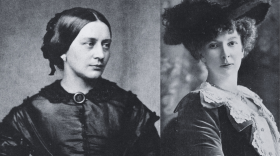 The combination of violin, cello, and piano has long been a favorite of composers, chamber musicians, and audiences. We have two excellent trios, both happen to be in G minor, and both are by incredible women composers – Cecile Chaminade and Clara Schumann.
-
 For centuries the name of King Arthur has inspired works of art, literature, and music. We have music by three British composers from the 17th to the 20th centuries, each of which captures the spirit and mystery of this legendary sovereign.
-
 Dance music throughout the ages has been an integral part of life and art. Dances from the Renaissance period were popular music of their day and are reflective, joyful, and can be great fun. We’ll explore music of four of the best Renaissance composers.
-
 The exchange of musical inspiration occurs in grand concert halls, universities and private lessons, but the root of it all is in the home — shared amongst family members. Classical KC Ovation Circle member Marylou Turner and her grand-niece, August Siefkes have co-curated a program of music that reflect their shared love of music.
-
 To mark the 250th anniversary of America’s independence, enjoy a program of American music old and new, familiar and refreshingly current. As our nation has changed over time, so has our music.
-
 We have more themes and variations with music from France, England, and Germany. From massive orchestral moments to equally massive moments on piano alone, we'll works by Vincent d'Indy, Hubert Parry and Johannes Brahms.
-
 In Franz Schubert’s tragically short life, his Viennese friends loved arranging musical soirees where his music was featured. They called these events “Schubertiades.” In this episode, we have our own Schubertiade featuring his glorious final piano sonata.


